How Majestic Deck Builders Austin Delivers Quality Craftsmanship
Green Deck Builders: Eco-Conscious Solutions for Your Outdoor Space
Eco-friendly deck builders are reshaping outdoor spaces with sustainable practices. Their emphasis is on materials that reduce environmental harm, including bamboo and reclaimed timber. Their projects frequently incorporate energy-saving components, fostering harmony with the natural environment. Nevertheless, selecting these builders requires consideration beyond mere visual appeal. Understanding the true benefits and implications of eco-friendly decking can lead to a more informed choice. What elements should be weighed before undertaking this investment?
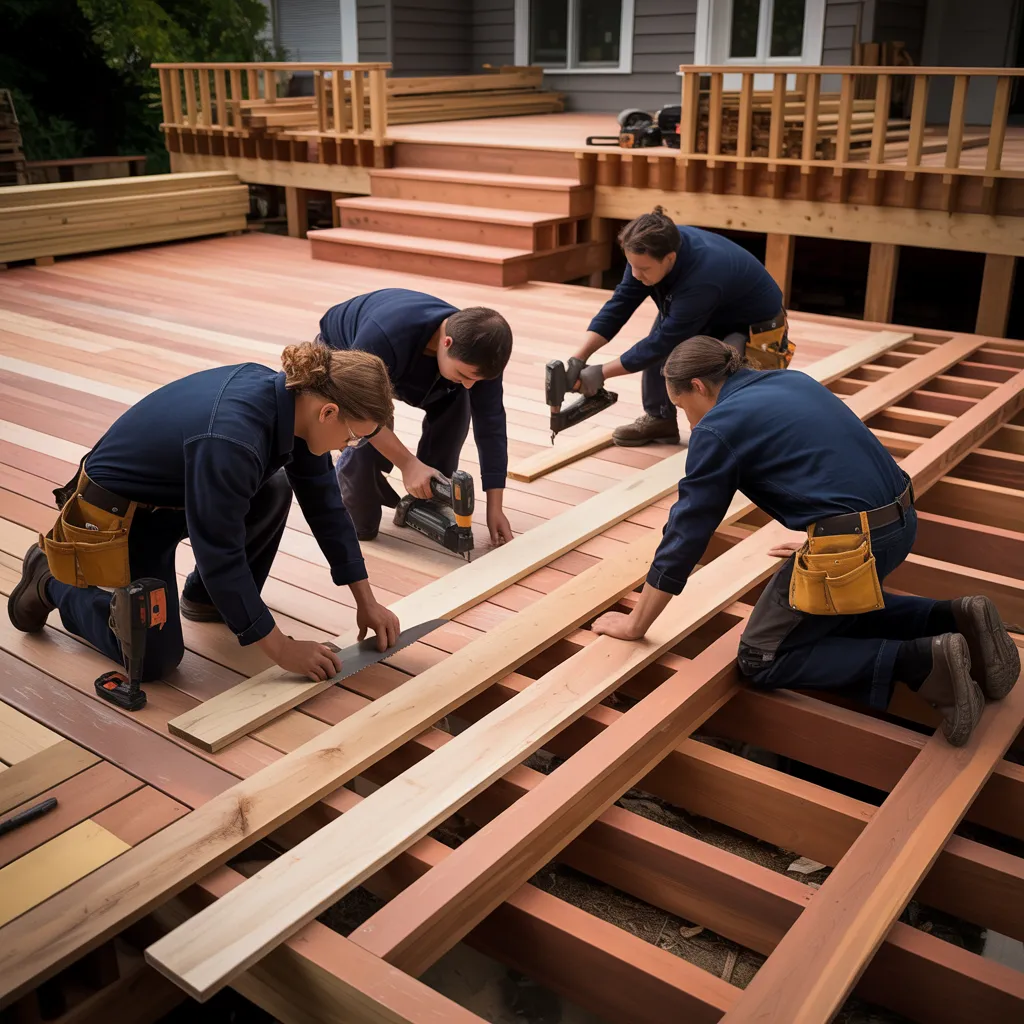
Reasons to Select Eco-Friendly Deck Builders
Choosing eco-friendly deck builders can significantly influence both the environment and the homeowner's experience, as these professionals prioritize environmentally responsible materials and techniques. By opting for builders committed to eco-friendly solutions, homeowners play a role in lowering their carbon footprint. These professionals commonly employ renewable resources, guaranteeing that the materials are ethically sourced and carry a reduced environmental footprint.
Moreover, environmentally conscious deck builders are well-versed in efficient energy-conscious designs, which can enhance outdoor space while promoting sustainability. They regularly adopt waste-reduction practices during the deck construction phase, additionally reinforcing ecological responsibility. Homeowners benefit not only from visually attractive deck structures but also from greater structural durability and decreased maintenance expenditures linked to sustainable materials.
Ultimately, selecting eco-friendly deck builders cultivates a harmonious connection with the natural world and positions homeowners within a thriving movement centered on environmental responsibility. This choice reflects a commitment to responsible living, making it a wise investment for both personal enjoyment and environmental stewardship.
Discovering Sustainable Materials for Designing Outdoor Decks
A wide range of sustainable materials exists for deck construction, each offering unique benefits that suit environmentally conscious homeowners. Bamboo, known for its rapid growth and renewability, serves as a durable, lightweight choice. Reclaimed wood, sourced from demolished structures, minimizes waste and provides a rustic charm. Composite materials, typically made from recycled plastics and wood fibers, offer durability and require less maintenance relative to standard wood options. Additionally, sustainably sourced hardwoods, certified by organizations like the Forest Stewardship Council, ensure ethical woodland management.
Another option to consider is environmentally friendly concrete, which can utilize reclaimed aggregates, minimizing the environmental impact. Additionally, natural stone offers a lasting, attractive solution that harmonizes perfectly with outdoor settings. By selecting these environmentally friendly materials, residents not only improve the aesthetic appeal of their outdoor areas but also play a role in environmental conservation efforts.
How to Create an Eco-Friendly Deck
Developing an sustainable deck requires mindful consideration of environmentally friendly materials and energy-conscious features. By prioritizing materials that reduce ecological footprint, construction professionals can construct spaces that merge effortlessly with the environment. Moreover, integrating details that optimize energy usage contributes to a more eco-conscious outdoor environment.
Green Material Options
Although many homeowners prioritize visual appeal in their outdoor areas, integrating sustainable material selections is essential for building an eco-friendly deck. Opting for materials like reclaimed wood, bamboo, or composite decking made from recycled plastics can greatly reduce environmental impact. These options not only limit deforestation but also diminish landfill waste. Additionally, selecting sustainably sourced or certified woods guarantees responsible harvesting practices. Homeowners might also evaluate permeable materials for decking, which enhance water drainage and minimize runoff. Using local materials can additionally reduce the carbon footprint linked to transportation. By emphasizing these sustainable choices, homeowners can create outdoor spaces that align with nature while encouraging ecological stewardship.
Power-Efficient Design Attributes
Including eco-conscious design elements is crucial for developing an eco-friendly deck that maximizes sustainability. Builders can enhance natural ventilation by carefully positioning openings and employing materials that enable air circulation. Utilizing shading elements, such as awnings or pergolas, minimizes heat absorption, keeping the deck cooler in summer months. Furthermore, incorporating solar-powered lighting can lower power usage while enhancing the atmosphere. Selecting lighter colors for the deck surface can bounce back sunlight, additionally reducing heat retention. Rainwater harvesting solutions can also be included to control water runoff and water nearby vegetation. By focusing on these energy-efficient features, designers not only create a functional outdoor space but also contribute positively to the environment. This method ultimately encourages a harmonious balance between aesthetics and sustainability.
Eco-Friendly Methods in Deck Building
A growing number of builders are actively implementing sustainable approaches in deck fabrication to lessen environmental harm and improve green standards. This shift includes employing eco-friendly resources including bamboo and repurposed wood, which considerably decrease the environmental impact tied to standard lumber. Moreover, builders are implementing advanced construction techniques that improve thermal efficiency and minimize energy waste, producing more pleasant and inviting outdoor environments.
Solar-powered lighting solutions are also becoming popular, allowing decks to be illuminated without drawing from nonrenewable energy sources. Additionally, many builders are incorporating permeable materials for decking to improve water drainage and minimize runoff, supporting local ecosystems.
Furthermore, the application of finishes with low volatile organic compounds guarantees that dangerous emissions are minimized, contributing to healthier outdoor environments. By implementing these methods, deck builders are not only resolving current ecological challenges but also creating a pathway toward a more sustainable future in outdoor building development.
Searching for Eco-Friendly Deck Builders?
In what ways can homeowners successfully identify and evaluate green deck builders? To begin, homeowners should look for builders who hold certifications in sustainable construction methods, like those awarded by the Forest Stewardship Council or related environmental organizations. This indicates a commitment to environmentally responsible materials and methods. Homeowners can also examine the builder's portfolio for past projects that emphasize sustainability, particularly those featuring the use of salvaged wood or composite materials sourced from recycled materials.
Moreover, reviews and recommendations from former clients can shed light on the builder's reliability and adherence to eco-friendly principles. Engaging in direct conversations with potential builders enables homeowners to question their sourcing practices and waste management strategies. Finally, evaluating several quotes can help determine the best overall value while confirming that environmentally responsible practices are emphasized. By following these steps, homeowners can successfully identify a deck builder who shares their commitment to sustainability.
Price of Eco-Friendly Decks
The expense of environmentally friendly decks can vary considerably depending on materials, design, and labor. Sustainable materials, including bamboo, reclaimed wood, or composite products, tend to cost more compared to standard materials. For instance, although pressure-treated lumber tends to cost less, green alternatives may necessitate a larger initial expenditure yet provide lasting advantages, such as greater durability and a lower environmental footprint.
Design elements additionally impact the total expense, with more intricate layouts or features driving up costs. Labor costs may vary depending on the intricacy of the project and the skill level of the contractors. Residents are advised to weigh not only the immediate investment but also the long-term benefits of reduced upkeep and improved energy performance. All things considered, committing to an environmentally conscious deck can result in both ecological gains and monetary savings, making it a worthwhile consideration for many homeowners.
Maintenance Tips for Sustainable Decks
Routine upkeep is critical for guaranteeing the longevity and beauty of eco-friendly decks. Property owners should conduct regular inspections to spot any evidence of damage, such as loose boards or splintering. Washing the deck on a consistent basis with a gentle soap and water mixture assists in clearing away grime and organic matter that can contribute to the growth of mold or mildew. For timber decks, applying a natural finish or sealant periodically every couple of years can protect against weather damage and enhance the wood's appearance.
It is also advisable to refrain from using strong chemicals, as they can harm the environment and degrade the materials. Additionally, keeping plants and foliage trimmed back reduces moisture buildup and limits pest infestations. By following these maintenance guidelines, homeowners can ensure their eco-friendly decks stay functional and attractive while keeping their environmental impact to a minimum. Consistent maintenance not only extends the deck's lifespan but also supports a healthier outdoor environment.
Transforming Your Outdoor Space: Inspiring Real-World Cases
Since many homeowners aim to upgrade their outdoor living spaces, real-life examples of eco-friendly deck transformations illustrate the potential for beauty and sustainability. One remarkable example featured a couple in a residential community who replaced their traditional wooden deck with composite materials made from recycled plastics. This change not only reduced their environmental footprint but also provided a long-lasting, low-maintenance solution.
One additional instance is a household that included permeable pavers and native plants into their deck design, allowing for better drainage of water and promoting regional biodiversity.
Within metropolitan areas, a rooftop terrace showcasing solar panels and reclaimed wood demonstrates how sustainability can coexist with modern aesthetics, offering a serene retreat within the urban landscape.
These transformations showcase how intentional design choices can lead to exterior areas that are visually stunning while remaining eco-friendly, demonstrating that sustainability is achievable without sacrificing style.

Common Questions and Answers
Which Certifications Are Essential for Green Deck Builders?
Sustainable deck construction professionals ought to possess qualifications like LEED, FSC, check this resource or SFI. These qualifications demonstrate a commitment to environmentally responsible approaches, ethical procurement of building materials, and focus on limiting environmental damage in construction and design processes.
Do Eco-Friendly Deck Lighting Options Exist?
Yes, eco-friendly options for deck lighting include LED lights, solar-powered fixtures, and energy-efficient designs. By reducing energy consumption and dependence on non-renewable resources, these options serve as sustainable choices for outdoor illumination.
How Long Do Sustainable Materials Last Compared to Traditional Ones?
Eco-friendly materials generally perform as well as, or better than, conventional alternatives when adequately cared for. Considerations including environmental exposure and material caliber shape durability, making informed selection vital for resilience and performance over extended periods.
Am I Able to Use Recycled Materials for My Deck?
Certainly, recycled materials serve as an excellent choice for decking. Constructed from reclaimed wood or plastic, these materials present notable durability and environmental advantages, offering a sustainable option compared to conventional decking without compromising on visual appeal.
How Does Choosing an Eco-Friendly Deck Benefit the Environment?
Selecting an eco-friendly deck encourages sustainability by cutting down on waste, conserving natural resources, and reducing carbon footprints. It encourages biodiversity through the utilization of sustainable materials while enhancing outdoor spaces that complement the environment.